
Color Psychology: Exploring the Impact of Colors on Emotions



Have you ever wondered why a certain color can instantly uplift your mood or evoke a sense of calmness? Colors have a profound impact on our emotions, influencing how we feel and perceive the world around us. In this blog, we delve into the captivating realm of color psychology, uncovering the ways in which different colors can evoke specific emotional responses.
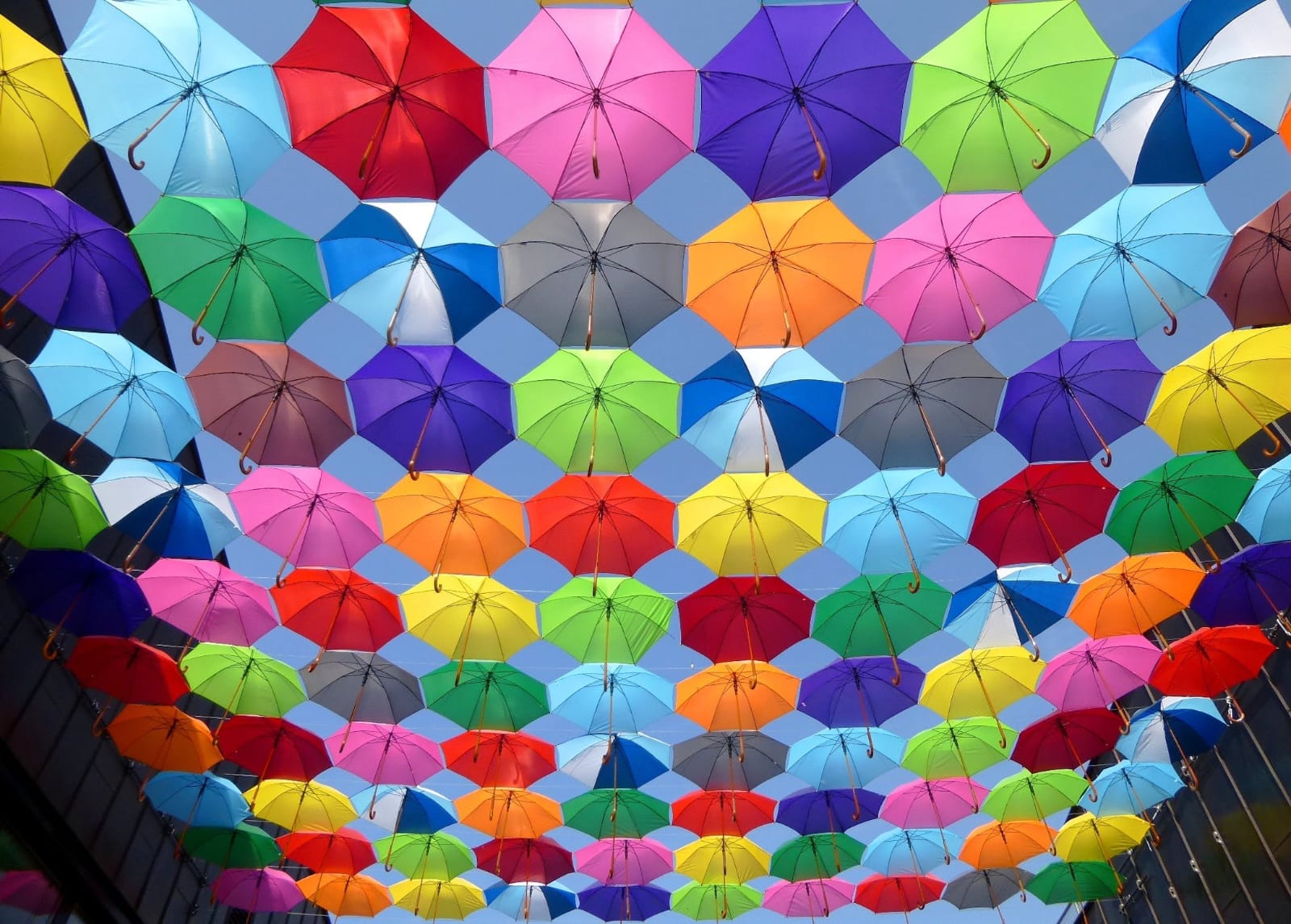
Why colors have an impact on our emotions:
- Psychological Associations: Colors have acquired symbolic meanings and associations over time. These associations can be influenced by cultural, personal, and societal factors. For example, red is often associated with love and passion, while blue is associated with calmness and tranquility.
- Color Theory and Perception: Color theory explores how colors interact with each other and how they are perceived by the human eye. Different colors have varying wavelengths, and our eyes and brains process these wavelengths to create visual experiences. Certain colors or combinations of colors can stimulate our senses and elicit emotional responses.
- Evolutionary Factors: Some researchers suggest that our emotional responses to colors may have evolutionary roots. For example, humans may have developed a preference for green environments due to their association with fertile landscapes and the availability of resources.
- Cultural and Personal Influences: Culture and personal experiences play a significant role in shaping our emotional responses to colors. Different cultures may have specific color symbolism and associations that impact individuals within those cultures.
Emotional associations with different colors:
Color plays a significant role in our lives, and it can have a powerful impact on our emotions, perceptions, and even our style choices. Here are some common emotional associations with different colors:
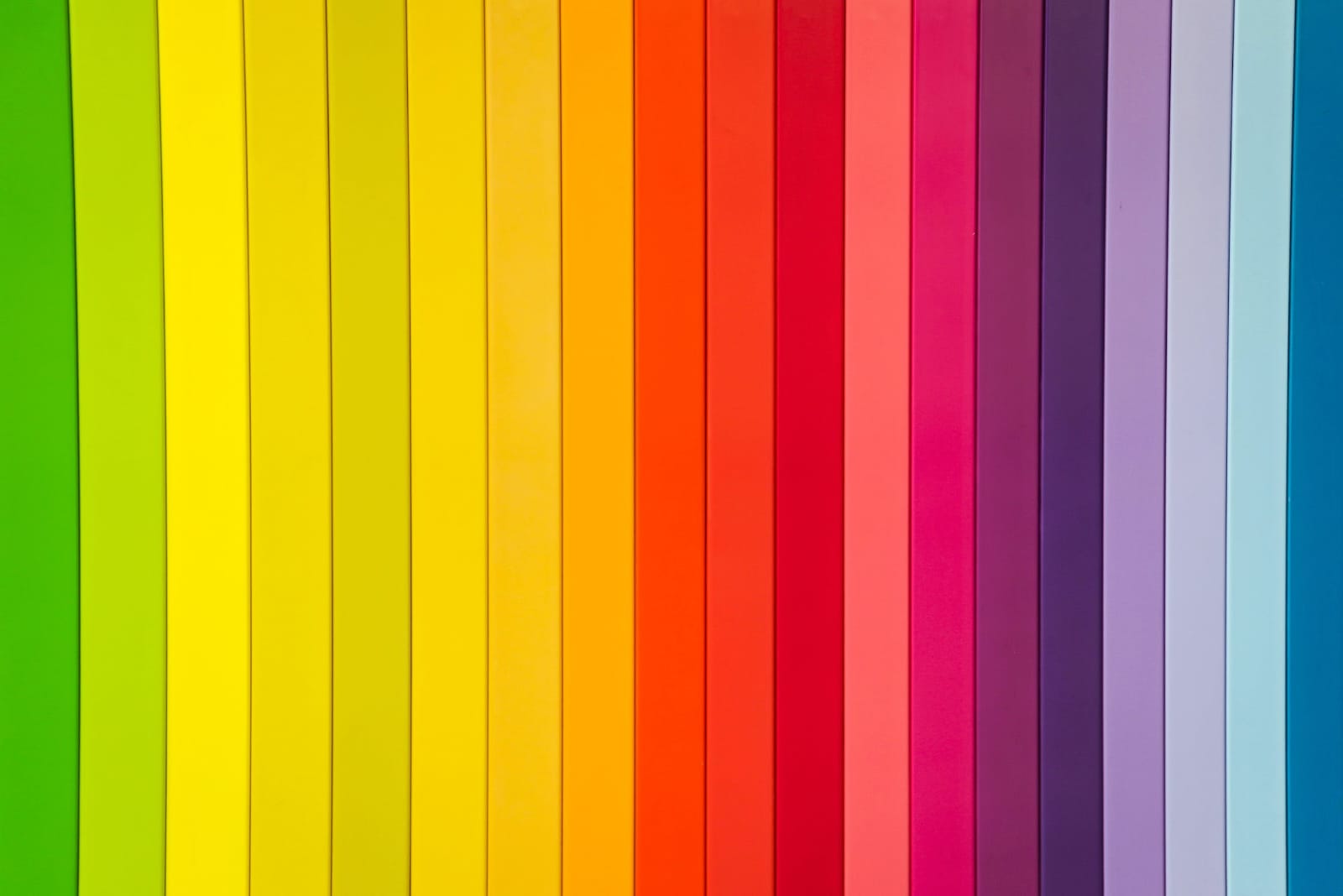
Red: Red is a powerful and intense color associated with passion, energy, and excitement. It can evoke strong emotions and grab attention, making it a popular choice for creating a bold and confident statement.
Blue: Blue is often associated with calmness, tranquility, and stability. It can create a sense of peace and serenity, making it a popular color for creating a soothing and relaxing environment.
Yellow: Yellow is a bright and cheerful color that is often associated with happiness, positivity, and optimism. It can uplift the mood and add a sense of warmth and energy to an outfit or space.
Green: Green is the color of nature and is associated with growth, renewal, and harmony. It can create a sense of balance and freshness, making it a popular choice for creating a calming and refreshing atmosphere.
Orange: Orange is a vibrant and energetic color that combines the warmth of red and the cheerfulness of yellow. It is often associated with enthusiasm, creativity, and excitement. Orange can add a bold and playful touch to an outfit or space.
Purple: Purple is a color often associated with royalty, luxury, and creativity. It can evoke a sense of mystery and sophistication, making it a popular choice for creating a regal and elegant look.
Pink: Pink is often associated with femininity, tenderness, and romance. It can create a soft and delicate atmosphere, evoking feelings of sweetness and affection.
Black: Black is a color associated with power, sophistication, and elegance. It can convey a sense of authority and mystery, making it a timeless choice for creating a sleek and stylish look.
White: White is often associated with purity, innocence, and simplicity. It can create a clean and fresh aesthetic, evoking a sense of clarity and peace.
Gray: Gray is a neutral color associated with stability, balance, and practicality. It can create a sophisticated and understated look, providing a versatile backdrop for other colors.
It's important to note that individual experiences and cultural backgrounds can influence the emotional associations we have with colors. Additionally, personal preferences and context can also impact how we perceive and respond to different colors. Experimenting with colors can be a fun way to express yourself and evoke specific emotions through your style choices.
Also check out

